Laser & light
Permanent Laser Hair Removal in Leipzig
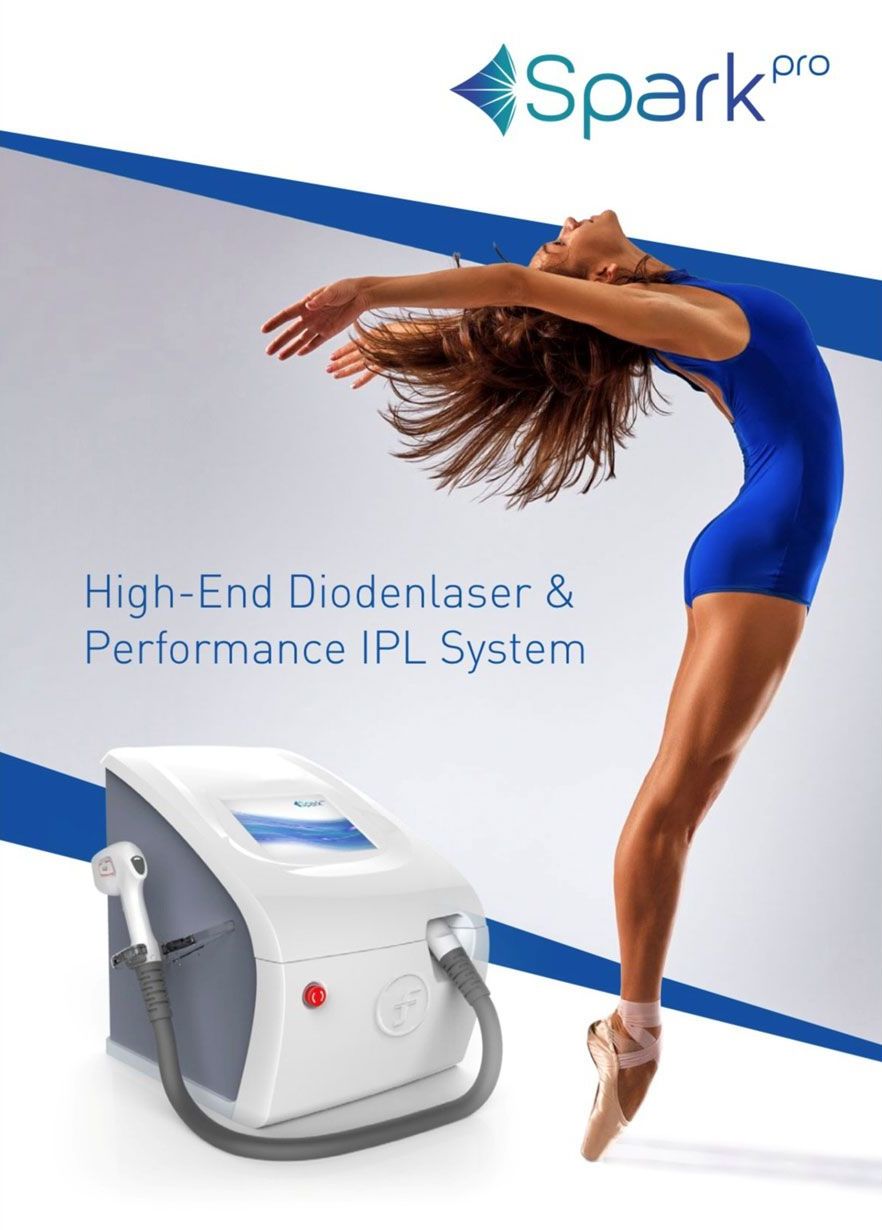
High-end 808 nm diode laser with the Milo melanin meter
Laser hair removal with an 808 nm diode laser based on selective photothermolysis – with precise skin analysis using the Milo melanin meter.
- Wavelength
- 808 nm (diode laser)
- Sessions
- approx. 6–12
- Skin analysis
- Milo melanin meter
Procedure, effects & risks
How it works and how effective it is
Photoepilation is one of the most requested non-surgical procedures in aesthetic dermatology. Smooth, hair-free legs are considered a beauty ideal.
Permanent hair removal using a modern diode laser (808 nm wavelength) or high-energy flash lamps (Intense Pulsed Light/IPL) is a safe and effective method. It is based on the principle of selective photothermolysis: the pigmented hair follicle is selectively damaged by heat while the surrounding tissue is spared.
Important: hairs can only be effectively destroyed while they are in the anagen (active) growth phase. With optimal settings, this applies to around 20–30% of the treated hairs at the first treatment.
Benefits of laser hair removal
Say goodbye to razor burn and ingrown hairs! With our diode laser technology (808 nm) you experience the most effective form of permanent hair removal.
- Gentle, safe and fast
- Targeted and safe destruction of the hair root
- Significant and long-lasting hair reduction
- Less skin irritation and no ingrown hairs
- Improvement of the overall complexion
- Flexibility: also possible in summer on tanned skin (with appropriate device settings)
- Maximum safety thanks to Milo, the melanin meter, for precise skin analysis
Course and duration of treatment
Under normal circumstances and at full power, most of the existing hair is permanently removed after approx. 6–12 sessions. Treatments should take place at the individually recommended intervals.
Before laser treatment
- Treatment can take place no earlier than two weeks after using a solarium or intensive sunbathing.
- Treatment can take place no earlier than four weeks after waxing, plucking, epilating or using depilatory creams, as the hair root must be intact.
- Treatment can take place no earlier than four weeks after a previous IPL or laser treatment.
- Do not use self-tanners or tanning sprays for two weeks beforehand.
- Shave the area to be treated two days before the treatment.
- On the day of treatment, do not use creams, make-up, deodorant or any other substances that remain on or in the skin.
After laser treatment
- In case of moderate redness or a sensation of heat, apply cool packs or soothing creams immediately.
- Consistently protect the treated areas from intense sun for about two weeks and always use sun protection (SPF 50).
Safety and possible skin reactions
Because not only the pigmented hair shaft but also the epidermis contains melanin and absorbs energy of the same wavelength, photoepilation always carries a risk of unwanted side effects.
With well-trained and experienced practitioners, however, these reactions are usually only mild and temporary.
Immediate reactions
- Immediately after treatment with correct settings, perifollicular oedema (slight swelling around the follicle) and erythema (redness) lasting from a few minutes to a few hours are common.
- Mild to moderate pain during treatment is also frequently reported.
Rare side effects
- Rare side effects include burns with blistering, crusting and scarring, as well as hypo- and hyperpigmentation (changes in skin colour).
- Very rarely, prematurely greyed or ingrown hairs and inflammatory changes in pre-existing naevi (moles) have also been reported.
- Paradoxical hypertrichosis: in approx. 0.6–3% of patients – predominantly those with darker skin types and thick, dark hair – a paradoxical increase in hair growth in treated and surrounding areas, mainly on the face, has been observed after the use of IPL devices and diode lasers.
Contraindications
- Skin condition: acute redness, inflammation, skin injuries, skin cancer (melanoma), lichen-type skin rashes, eczema, active herpes infections
- Use of photosensitising agents (e.g. antibiotics, isotretinoin, Retin-A, St John's wort)
- Metabolic disorders, epilepsy, autoimmune diseases
- Skin pigmentation: light intolerance, vitiligo, tendency towards hyperpigmentation
- Implants, pacemakers
- Tattoos and permanent make-up in the treatment area
- Pregnancy and breastfeeding
This information does not replace medical advice. Whether a treatment is suitable for you is clarified in a personal consultation at the Villa Hupfeld.
Often combined with
Treatments →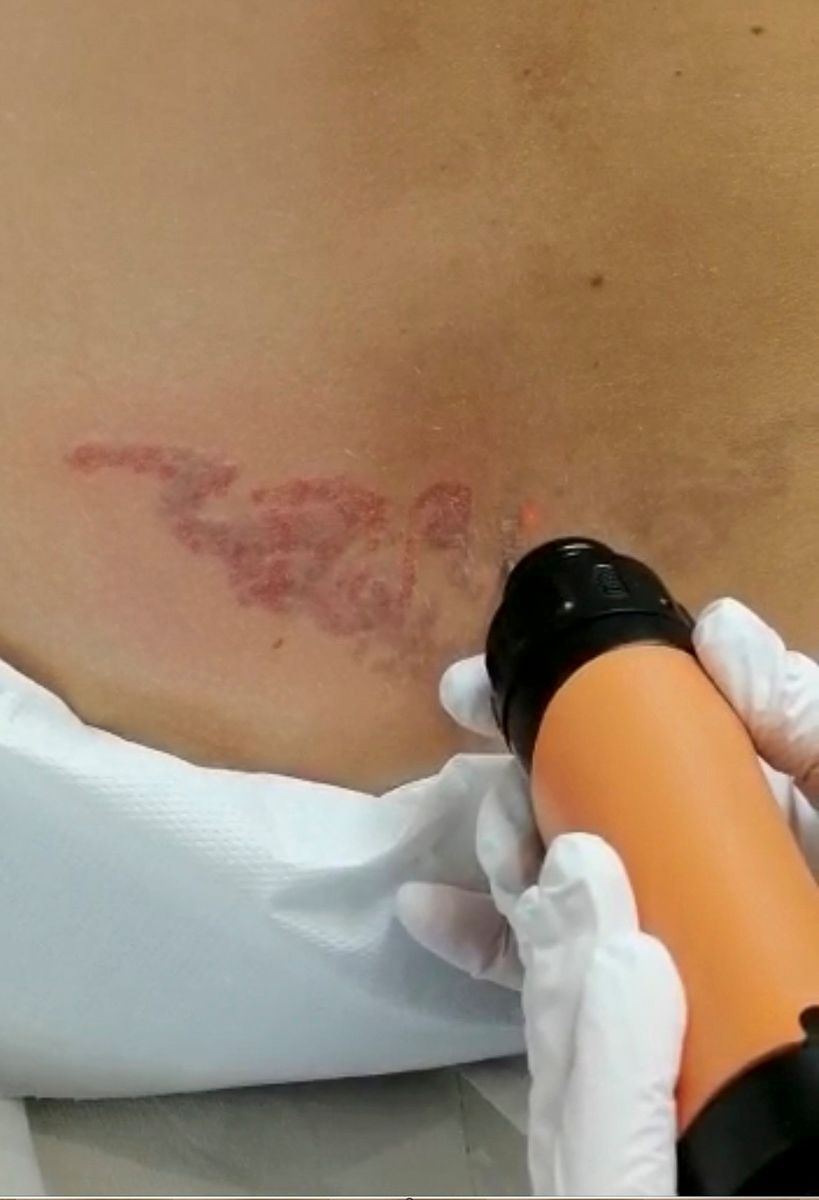
Laser Tattoo Removal
Removal of tattoos and permanent make-up with pigment lasers – either completely or significantly lightened in preparation for a cover-up.
from €100
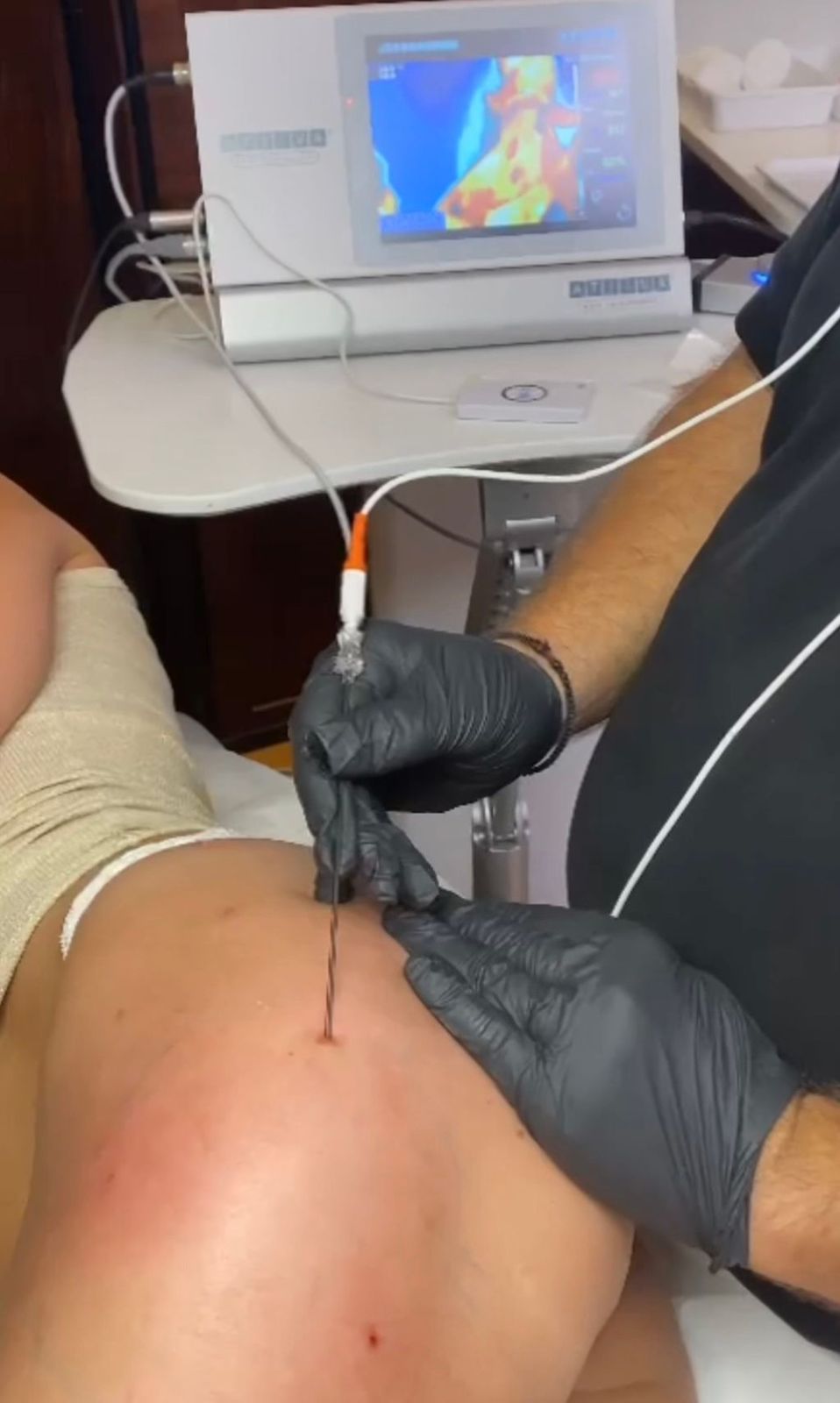
ATTIVA®
Subdermal radiofrequency (S.I.H technology): a probe inserted under the skin heats the tissue under temperature control, stimulating collagen and elastin.
from €1,200
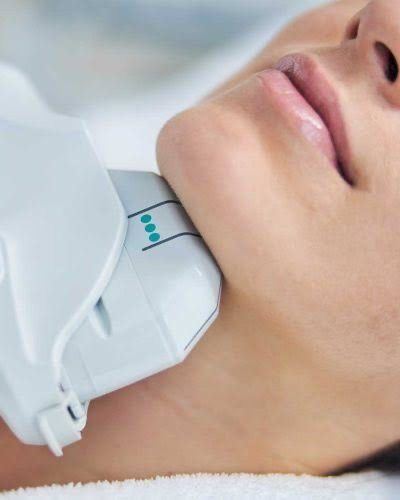
Ultherapy HIFU
Focused ultrasound reaches down to the SMAS layer, stimulates new collagen and tightens the face, neck, décolletage and body areas – without a scalpel.
from €400
Appointments
Your next step: a personal consultation.
Every treatment begins with a consultation at the Villa Hupfeld. Call us, message us on WhatsApp or request your preferred appointment online.
Opening hours: Tue–Fri 11 am–7 pm
Not sure yet? Start the treatment finder Body Map

Medical director
Christos Dimas
Specialist in orthopaedics and trauma surgery · aesthetic medicine since 2018
Member of DGBT and ISAC
Meet the team →